Understand what nature recovery means for your council, what environmental work is already being delivered, how can this be tied together and what else could you do to take full advantage of these new opportunities.
Introduction
-
What are the council’s key priorities and challenges?
-
How can nature and the government’s nature recovery reforms help address these?
-
What are the opportunities and types of interventions being delivered?
Next: Barriers and solutions
Council priorities and challenges
Key challenges and priorities
Local authorities face unprecedented challenges to delivery, including; spending cuts, skills shortages, economic uncertainty, climate change, welfare reform, youth unemployment, housing and infrastructure needs, and an ageing population, to name but a few. Coupled with this there is local government reorganisation and devolution all which require a whole new way of thinking.
- Recovering or enhancing biodiversity does not just allow nature to thrive, it also sustains economies, creates jobs, increases climate resilience and enhances the health and wellbeing of residents.
We are also facing a twin crises!
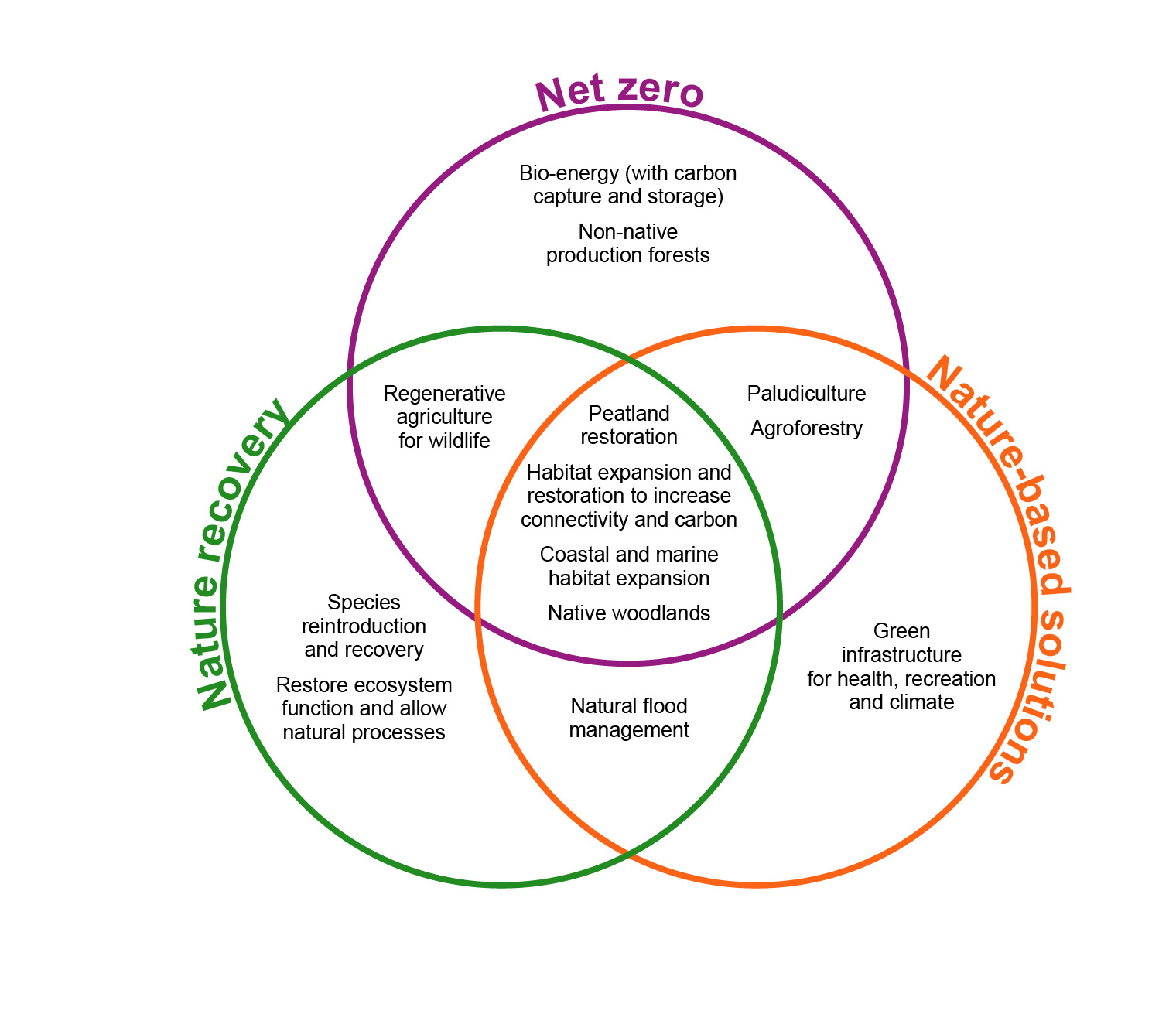
We are facing twin crises - an ecological crisis that is exacerbated by, and exacerbates, the climate crisis.
Along with the transformative changes needed to tackle climate change and deliver Net Zero, transformative change is also needed to deliver Nature Recovery and this requires a mind-set shift for national government and local authorities.
Power in Place: nature, The handbook of Local authority nature recovery Powers
What is the link between climate and nature: Addressing both together is a win win
We are in the middle of a climate and nature emergency, and the two are inextricably linked. Climate change is driving nature’s decline, and the loss of wildlife and wild places leaves us ill-equipped to reduce carbon emissions and adapt to change. One cannot be solved without the other.
When healthy, our natural habitats can reduce the risk of flooding, help prevent coastal erosion, improve people’s health and wellbeing, as well as maintain healthy soils, clean water and the pollinators needed for our crops, and therefore sustain us.
Environmental impacts affecting assets and services
- changing temperatures
- flooding
- air and water quality
- biodiversity decline
- impact of recreation e.g. disturbing wildlife
Linking policy agendas together
Although the nature and climate crises are inextricably linked, the decline of nature can still be somewhat divorced from addressing climate change. There is not a sufficient amount of and variety of policies to clearly tie into wider priorities: environment, care, health, economy and housing.
So how you pitch it is key:
- Supporting housing development: Embedding green infrastructure in new and existing housing will ensure high levels of quality of life and quality of place.
- Enabling sustainable transport: Integration of green and grey transport infrastructure will be an essential element to facilitate truly sustainable growth
- Better health and wellbeing: People enjoy access to natural green spaces for recreation, leisure, relaxation, inspiration and improved health and wellbeing.
- Addressing the climate and biodiversity emergencies: Green Infrastructure will be part of our contribution to global efforts to reduce carbon emissions towards a zero-carbon future. This will include tree planting, habitat restoration and people walking and cycling instead of using fossil-fuel-based modes of transport.
- Reducing flood risk: Green infrastructure will help to reduce the risk of both fluvial (related to a river) and surface water flooding.
- Improving air quality: Green infrastructure will provide a cost-effective, adaptable and small-scale solutions to help address pollution. This will improve people’s health and overall quality of life.
- Thriving biodiversity: Networks of green infrastructure will provide great spaces for wildlife. They will contribute to a healthy natural environment.
How can nature help?
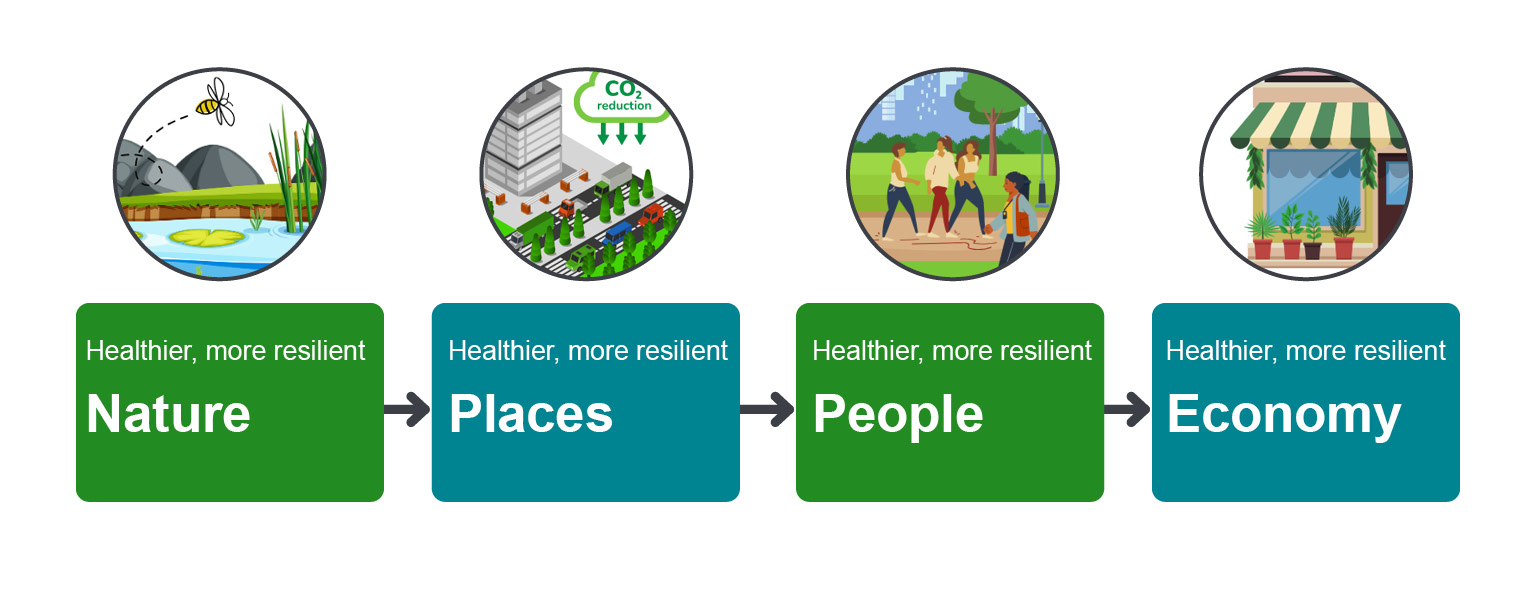
Healthier and more resilient nature close to where people live means healthier more resilient places. This helps us adapt to and reduce climate change, leading to healthier and more resilient people, and a healthier more resilient economy.
- A healthy Nature Recovery Network can support biodiversity and connect people with nature. 82 per cent of people say being in nature makes them happy.
- Nature and green space are places to have fun, relax, exercise, and access nature, for people from all backgrounds. Local greenspace has been a lifeline for many during COVID-19, for physical and mental health and reducing isolation.
- Climate resilient places: trees store carbon and help to mitigate climate change and deliver net zero.
- Green travel routes encourage low-carbon active travel.
- Green infrastructure reduces flood risk and increases water supply, by allowing water to permeate ground rather than overwhelm our drains. It reduces heat in towns, bringing down temperatures by several degrees; and it can filter particulates which is good for the air we breathe.
- Communities and the economy benefit: nature, parks and green spaces make us proud of where we live and can be an important part of its DNA. Greening towns can help to regenerate places, making them more investable and attractive to skilled workers and visitors.
Our economies, livelihoods and well-being all depend on our most precious asset: Nature
Dasgupta Review (2021)
Valuing the benefits from nature
Nature and its component parts like soil, water and air are sometimes referred to as natural capital which provides us with services, and these can be valued. The stock of UK natural capital we are currently able to value is estimated at £1.2 trillion (2019).
- A few examples of these individual services: restoring around half of our peatlands to near natural conditions would return between £45 to 51 billion (2019).
- The health benefits of outdoor recreation in the UK are estimated to be between £6.2 and £8.4 billion in 2020, with 82 per cent of people agreeing that being in nature makes them happy.
- There are big land use changes going on, between 1990 and 2019 urban areas in the UK increased by 30 per cent enclosed farmland fell by five per cent.
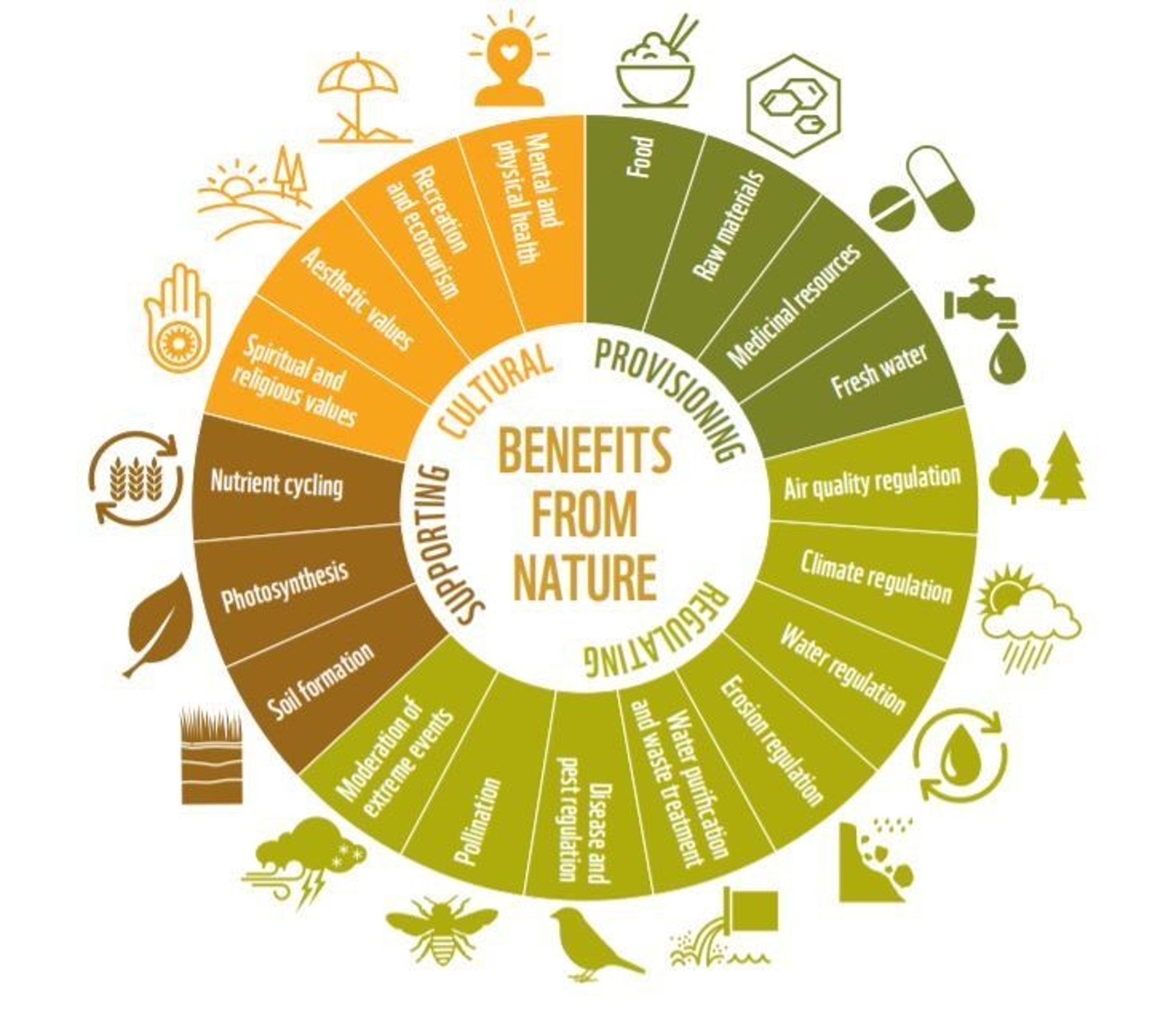
These are big figures. What we really need is a consistent way to gather this information for individual projects so that we can start to develop the markets for these services.
The benefits for people
Benefits for people from nature in urban areas are of growing importance with 80 per cent of people living in urban areas.
- The Wildlife Trusts report for every £1 invested in health or social needs projects that connect people to nature, there is a £7 social return.
- Urban nature provides over £15 billion of benefits to the economy every year.
- The annual value of air pollution removal services by urban vegetation was around £800 million in avoided negative health impacts in 2021.
- It is estimated there were 2.1 million active visitors to green and blue spaces in urban areas in 2015, providing 74,000 additional quality-adjusted life years to society.
- £2.1 billion per year could be saved in health costs if everyone in England had good access to greenspace, due to increased physical activity in those spaces.
What’s the scale of the problem?
Climate and biodiversity crises
The UK is one of the most nature-depleted countries in the world, and in the bottom ten per cent globally and the worst G7 nation for biodiversity loss. Nature is key to mitigating and adapting to climate change, and supporting health and wellbeing.
State of Nature 2023 report showed that species across the UK are continuing to decline in abundance (the numbers of them), with numbers falling 19 per cent since 1970.
The approach over the past 70 years focuses on nature conservation, preserving pockets of nature. It hasn’t stopped the species number declining and a need to move towards nature restoration and nature recovery.
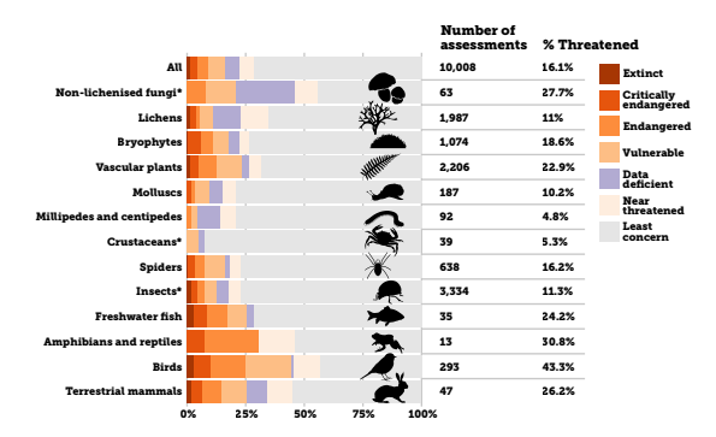
It's not just number species that are declining, its also the diversity of the species. 16 per cent of our species at risk of extinction. The legislation up to now hasn’t been working. Pressures on nature have continued to rise. We need to move towards nature restoration and nature recovery.
State of nature and opportunities in your area
-
natural capital accounts
-
local record centre
-
local plan and LNRS
-
core sites for nature
-
pressures on nature
-
impact of climate change
-
Green Infrastructure Framework
-
project examples.
Legislative and policy requirements
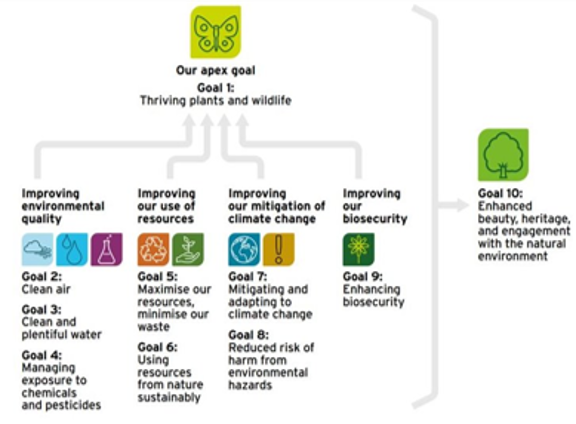
The UK governments 25 Year Environment Plan sets out what the UK will do to improve the environment, within a generation. By 2042, the ambition is to achieve high quality, accessible, natural spaces with increased biodiversity close to where people live and work, with a focus on the equitable distribution of environmental benefits and resources to all.
Be the first generation to leave the environment in a better state than we found it. Develop a Nature Recovery Network
- 25 Year Environment Plan (2018)
- Agriculture Act (2020) – public money for public goods
- Environment Act (2021) – species and habitat targets, mandatory 10 per cent BNG for developments, LNRS
- 30 by 30 Pledge (2020) – protect 30 per cent of land/sea by 2030
- Environmental Improvement Plan (2023) - builds on 25 Year Environment Plan and Environment Act 2021
- Green Infrastructure Framework (2023) – voluntary – 40 per cent green cover in urban residential areas; 15 minutes to nature; develop a local green infrastructure strategy.
Some key opportunities arising in 2025:
-
Levelling Up and Regeneration Act. Secondary Regulations relating, including reform to the local plan system, the introduction of Environmental Outcome Reports and the duty to ‘take into account’ Local Nature Recovery Strategies (LNRSs) in development plans.
-
National Planning Policy Framework (NPPF) updates and opportunities to embed more for nature within policy, for example by integrating planning and LNRS
-
Planning and Infrastructure Bill which proposes a new Nature Restoration Fund, which developers will have the option to pay to discharge their environmental obligations where there is an Environmental Delivery Plan in place.
The Nature Recovery Network is a major commitment in the 25 Year Environment Plan, enacted by the Environment Act 2021, and is the biggest nature restoration project in our nation’s history.
Environment Act 2021
The Environment Act 2021 introduced a number of new duties for local authorities which are of relevance to nature recovery and biodiversity including:
- Biodiversity Net Gain All planning permissions granted in England (with a few exemptions) will have to deliver at least a ten per cent from November 2023 (S98-101)
- Enhanced duty for local authorities to conserve and enhance biodiversity (S102) and report on their actions (S103).
- Local Nature Recovery Strategy (LNRS). 48 Responsible Authorities were appointed by the Secretary of State (S105) to lead the development in each area working with a broad range of stakeholders.
- LPAs will need to comply with the above duty and have regard to the Local Nature Recovery Strategy in local planning policy and decisions (S102).
- LPAs also need to consider Protected Site Strategies (S110)
An amendment to the Levelling Up & Regeneration Act changed the need for plan makers to 'have regard' to LNRS to 'take account’ of LNRS. This duty applies generally and to specific elements of the LNRS, including the mapped proposals. This has not come into force yet but it is important to flag.

Mandatory Biodiversity Net Gain
-
Under the Environment Act 2021, from 12 February 2024 all planning permissions granted in England (with a few exemptions) have had to deliver at least ten per cent biodiversity net gain.
-
PAS has a comprehensive project to support Biodiversity Net Gain (BNG) for Local Planning Authorities
-
This will be achieved by delivering habitat onsite or, if that is not possible, through buying off-site biodiversity units.
-
Developers are required to follow the biodiversity gain hierarchy i.e. avoid harm, minimising, on-site compensation and then off-site.
-
Biodiversity Gain Plans and measurable habitats must be registered on Natural England's BNG Register.
-
BNG was required for small sites from 2 April 2024. However this is likely to change in 2025.
-
BNG is measured using Defra’s biodiversity metric and all off-site and significant on-site habitats need to be secured for at least 30 years.
What does biodiversity net gain mean for your local authority?
Local Nature Recovery Strategies
A new system of locally led, transparent and collaborative spatial strategies for nature’s recovery covering the whole of England.
Each of the 48 Local Nature Recovery Strategies is led by a responsible authority in partnership with supporting authorities and the wider community.
This Environment Agency short video explains how the actions within the strategies to restore and create habitats will improve the water environment and support species recovery, deliver wider environmental benefits. It shows how these actions help people and wildlife adapt to climate change by reducing the impacts including flooding, drought, sea level rise and coastal erosion
Each strategy will:
- map the existing areas designated for biodiversity
- agree priorities for nature recovery
- map actions for delivering priorities in areas where they provide the best environmental outcomes.
- Local delivery will be through a variety of mechanisms including Biodiversity Net Gain and Environmental Land Management schemes.
What does LNRS mean for your local authority?
Drive collaborative action
- to bring new partners into nature recovery decision-making
- to collaboratively agree on priorities and locations for nature recovery.
Inform and evidence
- inform the preparation of local plans and direct developers to lower-value areas
- inform actions in development masterplans / public estate / region / infrastructure
- inform how to manage public green space for nature and people.
Plan how and where to invest
- direct investment in offsite Biodiversity Net Gain and statutory compensatory habitat
- target areas to work with landowners and land managers on nature recovery / direct agrienvironment scheme funding.
Promote nature recovery
- promote and better connect residents/communities to nature
- encourage /inform residents and community groups
- provide an evidence base for funding bids.
Green Infrastructure Framework
What is the Green Infrastructure Framework?
The Green Infrastructure Framework supports the greening of our towns and cities as part of the Nature Recovery Network. It sets out what good looks like for local planning authorities, developers, parks and greenspace managers and communities.
It provides tools to help plan and design green infrastructure networks that deliver multiple benefits. In addition an authority's LNRS can also help the authority plan and manage their green infrastructure.
The five main products in the Green Infrastructure Framework are:
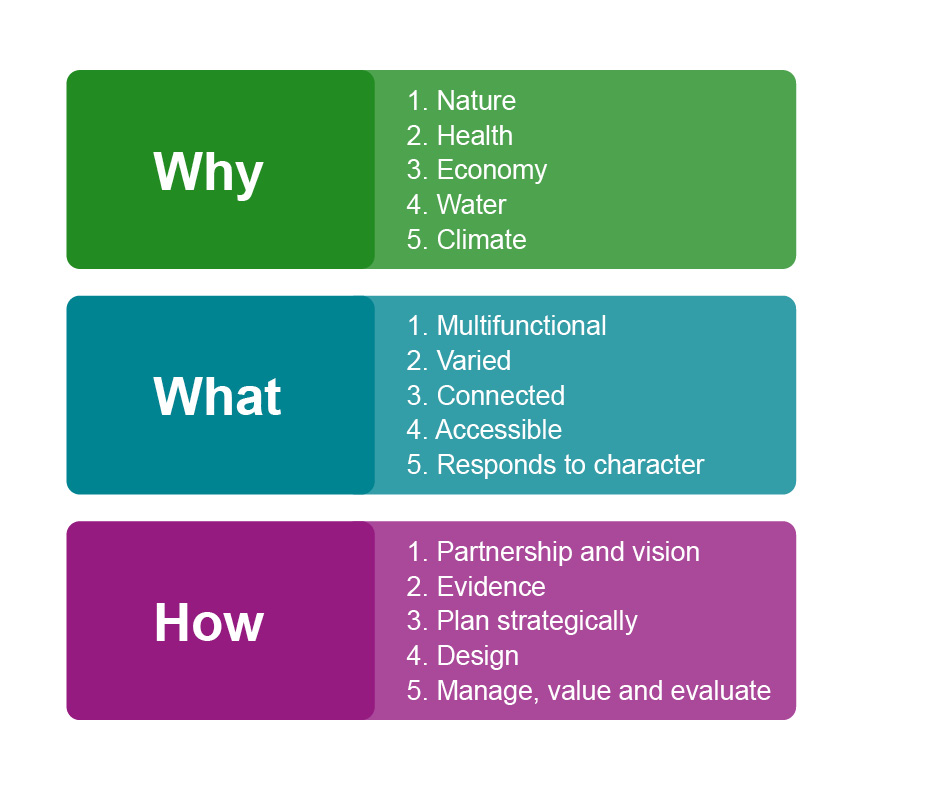
- Green Infrastructure Principles - Why, What and How of good green infrastructure.
- Green Infrastructure Standards - National standards for green infrastructure quantity and quality.
- Green Infrastructure Mapping - award winning interactive mapped datasets to support the standards.
- Planning and Design Guide - How to design good quality green infrastructure.
- Process Guides - How to apply the products in the Framework- for planners, developers and neighbourhood planners.
In addition, the Environmental Benefits from Nature Tool is designed to work alongside the Statutory Biodiversity Metric and the Green Infrastructure Framework and uses a habitat-based approach to estimate the direct impact of land use change across 18 ecosystem service services.
The Green Infrastructure Principles