The LGA's media office provides the national voice of local government in England and Wales on the major issues of the day for national, regional and local press.

"With housing for elderly people currently accounting for just 6 per cent of our existing stock, and more older people and families renting privately than ever before, there needs to be a national focus on tackling a chronic shortage of homes suitable to support our ageing population and reforms that will maintain and improve housing standards."
"Councils are determined to protect children in their communities, but with essential children’s services expected to experience a £2 billion funding gap by 2020, they face real challenges."
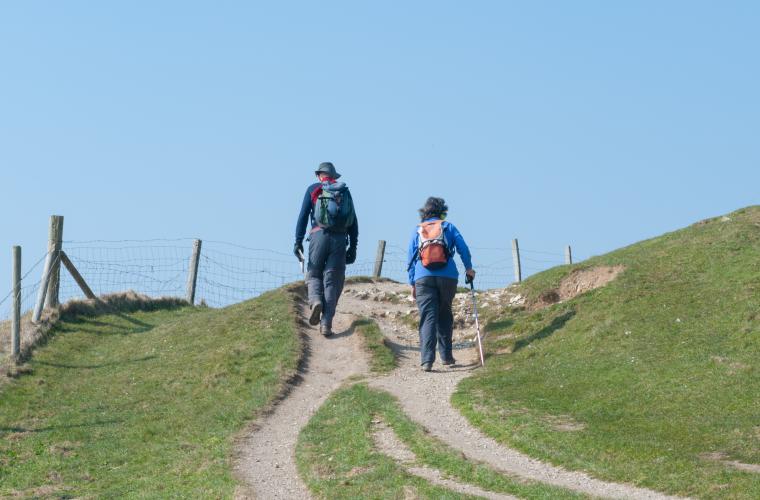
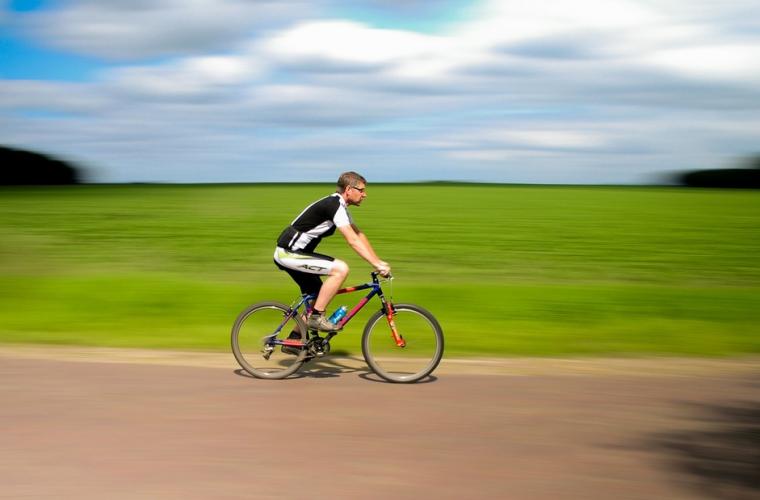
Councils are full of ideas to support people to be active, including holistic approaches such as planning and designing our areas to make them easier to navigate on foot or by bike, for example, instead of just expecting our residents to attend leisure centres and gyms.
Cllr Martin Tett, the Local Government Association’s Transport spokesman, responds to guidance published today by the National Institute for Health and Care Excellence, calling for councils to encourage people to be more active.
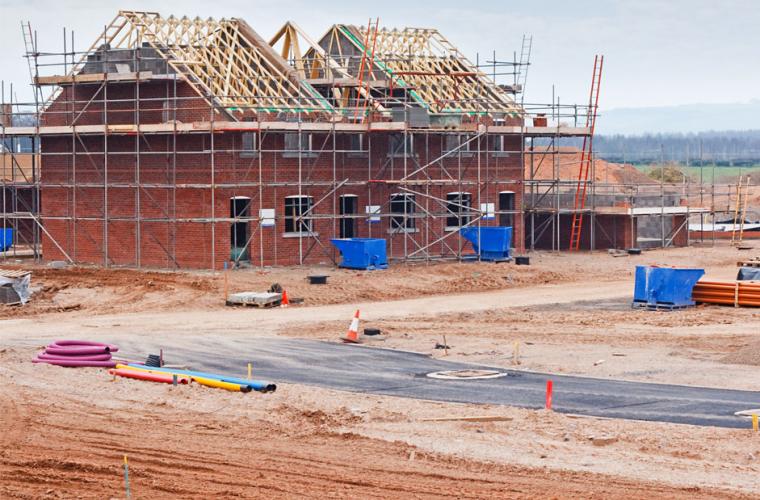
“Although any increase in the number of homes is a positive step, it really is essential we get towards the Government’s own target of 300,000 new homes, of all types and tenure, a year, if we’re to tackle our national housing shortage."
On average over the last three years, councils are having to house the equivalent of an extra secondary school’s worth of homeless children in temporary accommodation every month.
Rural areas face losing out on investment in infrastructure and affordable homes as a result of forthcoming planning changes allowing more new homes to avoid local approval, the Local Government Association warns today.
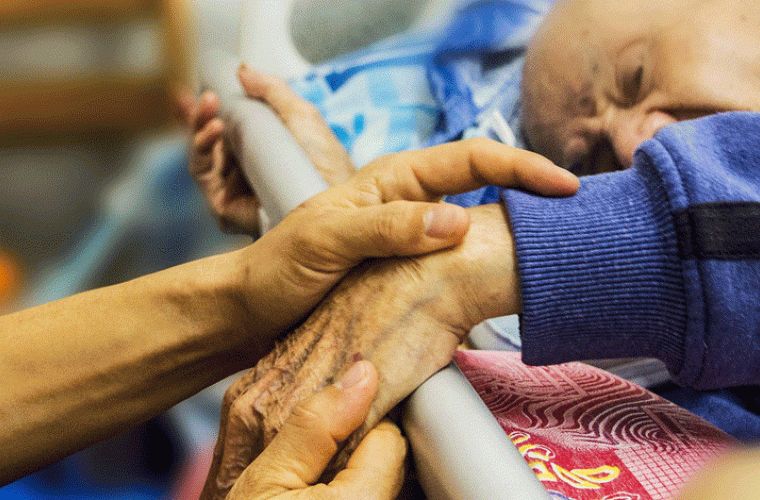
“Social care needs to be put on an equal footing with the NHS and government needs to address immediate pressures as part of funding gap facing social care, which is set to exceed £2 billion by 2020.”
“Government should first make a down-payment on the green paper by injecting additional resources into the system to fund immediate funding pressures which are set to exceed £2 billion by 2020. This will enable the system to stay afloat until such time as the green paper reforms bring in new resources.”
Local government currently has a formal advisory role in the EU law and policy-making process through its membership of the EU Committee of the Regions. This formal involvement in law-making has ensured that EU laws are improved by the experience of those at the frontline of delivery.
The LGA, together with the local government associations in Wales, Scotland and Northern Ireland, have been in discussion with the UK Government about how this advisory role might be replicated in UK law. Our shared ambition is to replicate the advisory role of local government in the UK post-exit, without